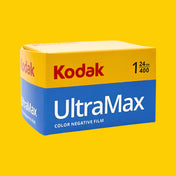

Shooting your first roll of film is very different from taking photos digitally — and that’s exactly the point.
Whether you’re returning to photography after years away or picking up a film camera for the very first time, film forces a shift in mindset. There’s no screen to check, no instant feedback, and no safety net. Instead, you slow down, pay attention, and make decisions in the moment.
For many photographers, that first roll of film is the moment photography becomes enjoyable again.
This guide walks you through what to expect — practically, creatively, and emotionally — so you can start with confidence and actually enjoy the experience.

Why the First Roll Feels So Different
If you’re used to digital photography or phone cameras, the biggest surprise is the lack of immediacy.
With film, you don’t see your results straight away. You don’t know if a frame worked until days later. That delay can feel uncomfortable at first — but it’s also what makes film rewarding.
Instead of reacting to a screen, you begin to:
- Judge light more carefully
- Think about composition before pressing the shutter
- Accept that not every frame needs to be perfect
That mental shift is what many photographers find addictive. Film photography isn’t about volume; it’s about intention.
Choosing the Right Camera for Your First Roll
Your experience with film starts with the camera you choose.
For beginners, a reliable, fully tested 35mm film camera makes all the difference. Mechanical or semi-automatic SLRs are often the easiest place to start because they give you control without overwhelming complexity.
A good starting point is browsing the 35mm film cameras collection where you’ll find cameras suited to both first-time shooters and those returning to film.
Models such as the Olympus OM10 or Nikon FG are popular first choices because they strike a balance between simplicity and flexibility. They allow you to learn the fundamentals while still offering room to grow.
Just as important as the model itself is condition. Buying a camera that has been professionally checked and graded removes much of the uncertainty that puts people off film in the first place.
Other Excellent Film Cameras to Consider for Your First Roll
While models like the Olympus OM10 and Nikon FG are popular starting points, they’re far from the only good options. One of the strengths of 35mm film photography is the sheer range of reliable, beginner-friendly cameras still available today.
For those who prefer a more manual, mechanical shooting experience, cameras such as the Pentax K1000 remain a classic choice. Its fully manual operation encourages learning the fundamentals of exposure and composition without relying on automation.
If you like the idea of aperture-priority shooting but want something compact and beautifully engineered, the Olympus OM2 offers excellent metering and a refined shooting experience that still feels intuitive for beginners.
Canon shooters may find the Canon AE-1 or Canon AE-1 Program appealing. These cameras combine ease of use with strong lens availability and remain one of the most approachable entry points into film photography.
For those drawn to smaller, lighter cameras with a more understated feel, the Olympus Trip 35 is an excellent option. Its simple zone-focus design and automatic exposure make it ideal for everyday shooting without technical complexity.
Each of these cameras delivers a slightly different experience, but all share the same fundamentals: reliable mechanics, intuitive controls, and the ability to produce excellent results on your very first roll of film when properly tested and serviced.
For a broader view, exploring the full 35mm film cameras collection allows you to compare styles, features and price points before choosing what feels right for you.
Loading Film: Simpler Than You Think
Loading your first roll of film can feel intimidating, but it’s far easier than most people expect.
Once you’ve done it once, it becomes second nature.
You’ll open the back of the camera, insert the film canister, pull the leader across to the take-up spool, and advance the film until it catches. Close the back, advance once or twice, and you’re ready to shoot.
There’s something satisfying about this process. It’s tactile, physical, and intentional — a reminder that photography existed long before touchscreens and menus.
What Film to Choose for Your First Roll
Film choice matters, but not as much as people think when starting out.
For your first roll, the goal isn’t perfection — it’s learning how film responds to light. A versatile, forgiving film stock makes that easier.
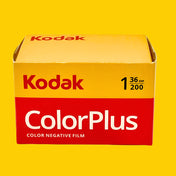
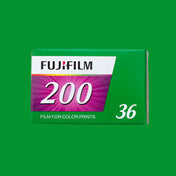
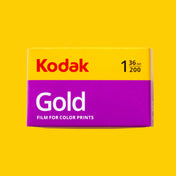
Browsing the 35mm film stock collection will show a range of options, but beginners often start with:
- Colour negative film with good exposure latitude
- Black & white film if you want to focus purely on light and contrast
Whichever you choose, remember: film has character. Slight under- or over-exposure isn’t failure — it’s part of the look.
Shooting Your First Roll: What Actually Happens
This is where expectations matter.
Your first roll will almost certainly include:
- Missed focus
- Slightly incorrect exposure
- Frames that don’t match what you imagined
That’s normal. In fact, it’s useful.
Film teaches through consequence. Because you can’t instantly correct mistakes, you learn faster. You start to notice how light changes, how shadows behave, and how your camera responds in different situations.
Many photographers find they shoot less but think more. Each frame feels earned rather than accidental.
The Waiting: Why It’s Part of the Magic
After finishing your roll, you’ll send it off for processing or drop it at a lab.
Then you wait. That delay — often a few days — is one of the most underrated parts of film photography. It creates distance between the moment of capture and the result. When you finally see your images, you’re not judging them against what you thought you shot five minutes earlier.
You’re seeing them fresh. This often leads to more honest reactions and less self-criticism. Images are appreciated for what they are, not endlessly compared to a digital preview.
Seeing Your Results for the First Time
The first time you receive scans or prints from your own roll of film is a memorable moment.
Some frames will surprise you — in good ways and bad. Others will feel more “real” than anything you’ve shot digitally. Grain, colour shifts, and subtle imperfections give the images a sense of presence that many photographers struggle to replicate digitally.
This is usually the point where people understand why film still matters.
Common First-Roll Mistakes (And Why They’re Fine)
Almost everyone makes the same early mistakes:
- Forgetting to set ISO correctly
- Misjudging low-light scenes
- Expecting film to behave like digital
These mistakes aren’t setbacks. They’re the learning process.
Because film slows you down, those lessons stick. After one or two rolls, most people see a noticeable improvement — not because they read more guides, but because they paid attention.
Why Buying a Tested Camera Matters
Film cameras are robust, but they’re also decades old. Buying from a specialist retailer that properly checks, tests and grades their cameras makes a real difference to your first experience. Understanding the camera grading and testing process ensures you’re starting with equipment that works as intended.
This avoids the frustration of sticky shutters, inaccurate meters, or light leaks — issues that can discourage beginners unnecessarily.
A good first experience with film almost always starts with reliable equipment.
Film and Digital: You Don’t Have to Choose
Many people assume shooting film means abandoning digital photography. In reality, most photographers use both.
Film sharpens your skills. Digital gives speed and flexibility. Together, they complement each other.
After shooting film, many people notice improvements in their digital work — better composition, more confidence with exposure, and less reliance on post-processing.
Film doesn’t replace digital. It enhances it.
Why That First Roll Often Leads to More
For many photographers, the first roll of film is the beginning of a longer journey.
Not because film is trendy, but because it offers something increasingly rare: focus. It turns photography into an activity rather than a background habit. It rewards patience and attention.
That’s why people keep coming back to it.
Ready to Shoot Your First Roll?
If you’ve been curious about film photography, there’s no better way to understand it than to try it yourself.
Start with a reliable camera, a roll of film, and realistic expectations. Accept mistakes. Enjoy the process.
Your first roll doesn’t need to be perfect — it just needs to be yours.
FCS-B-93